Could Tai Chi Be the Best Thing You Ever Do for Your Balance?
The surprising science behind why we lose our balance as we age —
and how an ancient practice is helping thousands of Australians stay on their feet
Nobody thinks much about their balance — until they nearly lose it.
Maybe you’ve grabbed a railing that wasn’t there. Stumbled on a gutter you didn’t see. Felt momentarily unsteady stepping off a kerb. Most of us brush these moments off. But they are early warning signs of something that deserves our full attention.
“Over 30% of Australians aged over 60 fall at least once a year. For those over 80, that figure rises to 60%.”
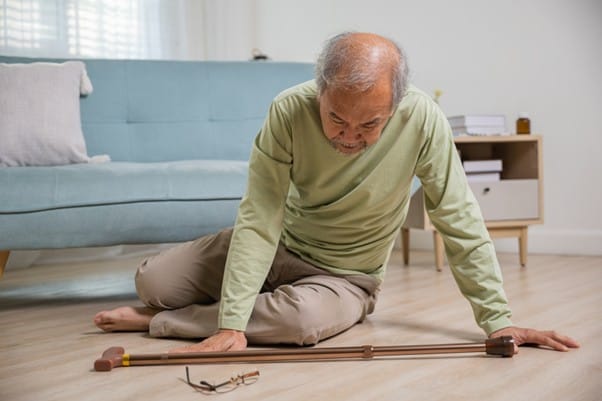
A fall can change everything. A broken hip. A loss of confidence. The beginning of a slow withdrawal from the active life you enjoy. The good news? Much of this is preventable. And one of the most powerful tools available is also one of the oldest — Tai Chi.
I know this from personal experience. Thirteen years ago, at the age of 54, I came to Tai Chi not as a fitness enthusiast, but as someone dealing with real health challenges — including balance that was nowhere near where it should have been. What followed was a gradual but remarkable transformation. Today, at 67, I teach Tai Chi and Qigong, and I’ve seen the same transformation happen for many of my students. The practice that once helped me find my feet is now something I have the privilege of sharing with others.
In this article, I want to explain — in plain language — exactly why our balance deteriorates as we age, and why Tai Chi is so remarkably effective at rebuilding it. The science is genuinely fascinating, and I think it will surprise you.
Part One: Why Does Our Balance Get Worse As We Age?
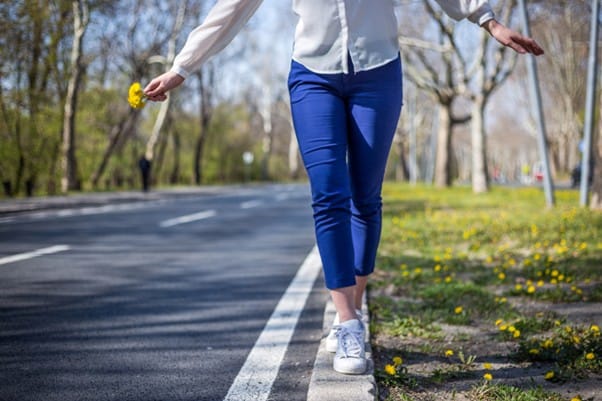
Before we look at solutions, it helps to understand the problem. And the first thing to know is that balance isn’t one single skill — it’s a team effort.
Every second you’re upright, your brain is receiving information from three different sources: your muscles and joints (which tell it where your body is positioned), your inner ear (which tells it which way is up and whether you’re moving), and your eyes (which give it a picture of the world around you). Your brain takes all of this information, processes it almost instantaneously, and sends signals to your muscles to keep you balanced.
When you’re young, this happens seamlessly and without any conscious effort. As we age, each part of this system starts to slow down — and the results are felt throughout the whole.
1. Your body’s ‘sixth sense’ fades
Most people know about the five senses. But there’s a sixth one that rarely gets talked about — proprioception. It’s your body’s ability to sense where it is in space without looking. It’s what lets you walk in the dark without falling over, or type on a keyboard without watching your fingers.
Tiny sensors throughout your muscles, tendons, and joints are constantly sending position signals to your brain. Think of them as a network of reporters, filing updates every fraction of a second: ‘Left foot bearing 60% of the weight. Right knee slightly bent. Centre of gravity shifting forward.’
With age, these sensors become less sensitive. The signals they send get weaker and slower. Research has shown that this decline accelerates noticeably from the age of 60 onwards — and it happens even in people who are fit and active. It’s not a lifestyle problem, it’s a biological one.
By the time your brain registers that your balance is off, the window to correct it may already have passed.
2. Muscles quietly disappear
From around age 50, we begin to lose muscle mass at a rate of 1–2% per year. By our 70s and 80s, the effects are significant. This isn’t just about looking or feeling weaker — it has a direct impact on balance.
The muscles around your ankles and hips are your first line of defence against a fall. When you stumble, it’s these muscles that fire instantly to pull you back to safety. As they weaken with age, that response becomes slower and less powerful. The safety margin between a stumble and a fall gets narrower.
There’s also a vicious cycle at work here. As we become less steady on our feet, we tend to move less. Moving less means the muscles weaken further. And weaker muscles mean poorer balance. Round and round it goes — unless something breaks the cycle.
3. The inner ear loses its calibration
Deep inside your ear sits the vestibular system — a remarkable structure that acts like a gyroscope, constantly telling your brain which way is up, how fast you’re moving, and whether you’re tilting. Like everything else in the body, it gradually deteriorates with age.
When the vestibular system becomes less reliable, the brain loses one of its key reference points for balance. And crucially, when it stops trusting the inner ear, it tends to lean more and more heavily on vision instead — which, as we’ll see, creates its own problems.
4. The brain struggles to juggle its sources of information
Here’s perhaps the most important thing to understand about age-related balance decline — and the thing that makes Tai Chi’s benefits so remarkable.
A healthy nervous system doesn’t just rely on one source of balance information. It constantly weighs up all three — muscles and joints, inner ear, and eyes — and decides how much to trust each one depending on the situation. Walk into a dark room and it leans more on the inner ear and body sensors. Stand on a wobbly surface and it adjusts accordingly. This process is called sensory reweighting, and it happens automatically and almost instantaneously.
In older adults, this ability to fluidly switch between sensory sources deteriorates. The brain becomes less flexible, slower to adapt, and increasingly over-reliant on vision — even when vision is unreliable.
This is why so many falls happen in busy, visually complex environments — shopping centres, crowded footpaths, restaurants with low lighting.
The older brain clings to visual information even when it’s misleading. A moving crowd, a patterned floor, the glare of fluorescent lights — all of these can throw the visual-dependent balance system off in ways they never would have done at age 35.
5. Fear makes everything worse
There’s one more piece to this puzzle that often gets overlooked: the role of anxiety. Fear of falling is extremely common in older adults — and for good reason. But the fear itself actively makes balance worse.
When we’re anxious about falling, we tense up. We move less freely and more rigidly. We become even more visually dependent. We avoid activities that might challenge our balance — which means we get less practice at exactly the skills we need most. The fear of falling becomes a self-fulfilling prophecy.
This is one of the reasons that Tai Chi, which builds both physical capability and genuine confidence, is so much more effective than simple physical training alone.
Part Two: So Why Is Tai Chi So Effective?
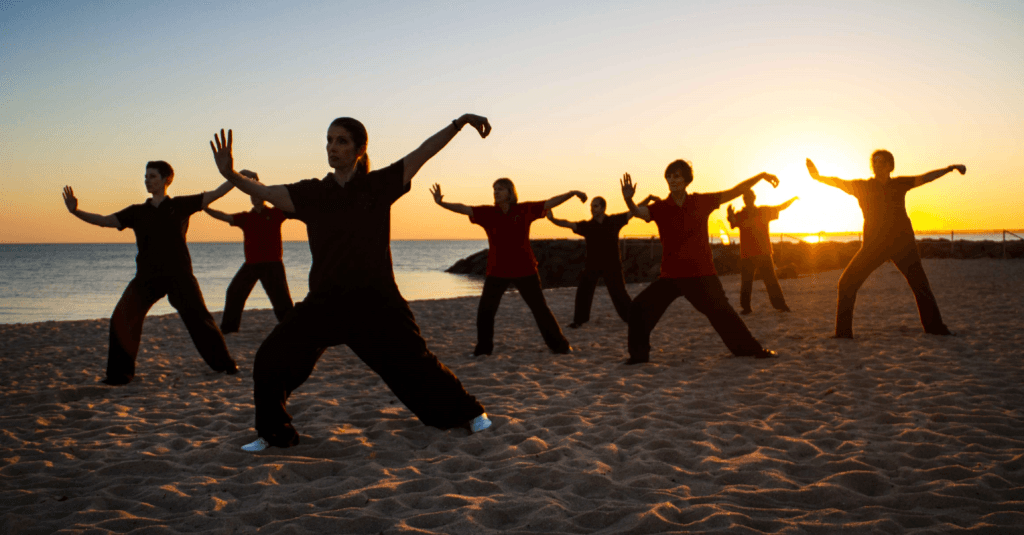
Now that we understand why balance declines, we can appreciate just how well Tai Chi addresses it. Not because of one thing — but because of many things happening simultaneously.
It trains the exact sensors that ageing switches off
Every movement in Tai Chi requires precise awareness of where your weight is, how your joints are angled, and how your centre of gravity is shifting. As you move slowly from one posture to the next, your muscles and joints are constantly being challenged to report exactly where they are.
This isn’t just exercise — it’s direct training for those sixth-sense sensors we talked about earlier. And the research backs this up in a striking way: older Tai Chi practitioners have been shown to have better body-position awareness at the ankle and knee than not only sedentary people, but also swimmers and runners. The nature of the movement matters, not just the intensity.
It rebuilds the ankles and knees — the foundation of balance
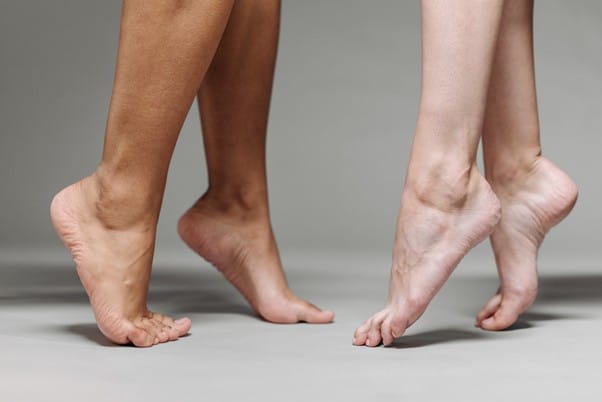
The slow, slightly bent-knee posture of Tai Chi places a gentle but sustained challenge on the ankle and knee joints through their full range of movement. Over time, this wakes up the position sensors in those joints and makes them more sensitive and responsive.
Studies have shown significant improvements in ankle and knee awareness in older adults after Tai Chi programmes — and notably, the benefits are even greater for people who already have some sensory loss. The worse your balance to begin with, the more you stand to gain.
It retrains the brain to use all its senses again
Remember sensory reweighting — the brain’s ability to fluidly shift between its three sources of balance information? This is perhaps where Tai Chi shines brightest.
Because Tai Chi constantly moves you through changing weight distributions, different stances, and varying visual angles, your nervous system can never settle into a fixed balance strategy. It is continuously solving new balance problems — and in doing so, it gets faster and better at solving them.
“Tai Chi practitioners show smaller, shorter wobbles during balance disruptions — and recover from them more quickly.”
Long-term practitioners have also been shown to rely less on vision and more on body sensing for balance — meaning they are far less vulnerable to the visually complex environments that trip up so many older adults.
It actually changes the brain
This is the part that genuinely astonishes researchers. Brain imaging studies have shown that long-term Tai Chi practice physically changes the structure of the brain — increasing thickness in the regions responsible for body awareness and sensory processing, and improving the efficiency of the neural networks that manage balance.
Put simply: the longer you practise Tai Chi, the better your brain gets at processing the information it needs to keep you upright. And this goes well beyond what conventional exercise can achieve. Tai Chi has been shown to produce stronger brain adaptations than aerobic exercise alone, precisely because of the complexity and mindful attention the practice demands.
It builds strength where it counts most
The sustained semi-squatting postures and the constant slow transfer of weight from leg to leg provide genuine strengthening for the lower limbs — without the joint stress of running, gym work, or higher-impact exercise. This makes it ideal for older adults who may not be able to safely undertake more vigorous training.
The hip and ankle strength that Tai Chi builds are exactly the muscles that catch you when you stumble. Building them gently, progressively, and consistently is one of the most practical things an older adult can do for their safety.
It trains you to navigate the real world
Most balance tests measure how well you stand still. But real-world falls happen when you’re moving — stepping over a doorstep, navigating a crowded footpath, stepping off a bus. Tai Chi improves this kind of dynamic, moving balance as well.
Research has shown that experienced Tai Chi practitioners step over obstacles with greater clearance and better body control. More importantly, they show improvements in what researchers call proactive balance — the ability to anticipate a balance challenge before it becomes a stumble, rather than just reacting after the fact.
It calms the fear as well as fixes the body
Unlike most exercise programmes, Tai Chi is also a meditative practice. The slow, mindful movements and gentle focus on breath and body awareness have been shown to reduce anxiety — including the fear of falling that makes balance worse in so many older adults.
This is not a small thing. When a student goes from feeling unsteady and anxious about movement to feeling calm, grounded, and confident in their body, the change in how they carry themselves through daily life is profound. Confidence itself improves balance.
The Bottom Line
A major review of clinical trials published between 2004 and 2024 confirmed what Tai Chi teachers and students have known for generations: Tai Chi significantly improves balance and reduces fall risk in older adults. The more regularly and consistently it is practised, the greater the benefits.
What makes Tai Chi so special is that it works on every level at once:
- It reawakens the body’s position sensors
- It strengthens the muscles that prevent falls
- It retrains the brain to balance more efficiently
- It reduces dangerous over-reliance on vision
- It improves the brain’s own structure and connectivity
- It builds confidence and reduces fear of falling
- It does all of this in a practice people actually enjoy and stick with
For older adults facing a gradual but relentless decline in the systems that keep them upright, Tai Chi is not just one option among many. For many people, it is the single most effective thing they can do.
Ready to Give It a Try?
You don’t need to be fit, flexible, or have any prior experience. Tai Chi is taught in beginner-friendly classes across Australia, and even a simplified form — such as the widely taught Yang-style 24-form — has been shown in research to deliver real balance and fall-prevention benefits.
What matters most is finding a qualified instructor, starting gently, and being consistent. The benefits build over time — and for most people, the practice becomes something they genuinely look forward to, week after week.
For people based in Melbourne, JinLi Wushu-Tai Chi School offers numerous classes throughout the city.
The Tai Chi Association of Australia (TCAA) maintains a register of instructors across the country. Finding a qualified teacher near you is the best first step.
https://www.taichiaustralia.com/schools.html
This article was written by Peter Eves, JinLi Wushu-Tai Chi instructor/educator, Victoria and Tasmania Representative of the Tai Chi Association of Australia (TCAA), drawing on peer-reviewed research published in the Journal of Neurophysiology, Frontiers in Physiology, Frontiers in Neuroscience, Scientific Reports, and the European Review of Aging and Physical Activity.
Download a much more technical and longer version of this post, including references: Full Text Version©
Yours in Tai Chi & Qigong
Peter

Another good article. Well done Peter. Sorry it took me a while to get to read it. Hope to see you back on Monday nights soon.
All the best,
Petra